Should I Rent a Car in Iceland? Top Things to Consider

Should I rent a car in Iceland? It’s a big decision, and there are definitely different things to consider. Iceland has limited public transport, making renting a car the easiest and most flexible way to get around.
As Iceland is also a country that is known for it’s nature, renting a car gives you the freedom to explore. However, renting a car may not be for everyone and there are several things to consider when making this decision such as cost, time of year, weather and more.
Get Lost in Wanderlust contains affiliate links. If you make a purchase using one of the links below, we may receive a very small compensation at no extra cost to you. We only recommend products and services we use and trust. Read our disclaimer for more information.
Should I rent a car in Iceland? The Pros and Cons
There are so many pros to renting a car in Iceland. Personally, I recommend a car rental if you are traveling in summer (or late spring/early fall) because it gives you freedom to explore Iceland. However, everyone’s trip is different, and so it’s best to fully understand all the pros and cons before making a decision!
Should I Rent A Car in Iceland? The Pros of Renting a Car
Freedom
Freedom is by far the biggest pro of renting a car. Having a car allows you to spend as much or as little time at sites as you would like, rather than being tied to a set itinerary as you are with a guided tour.
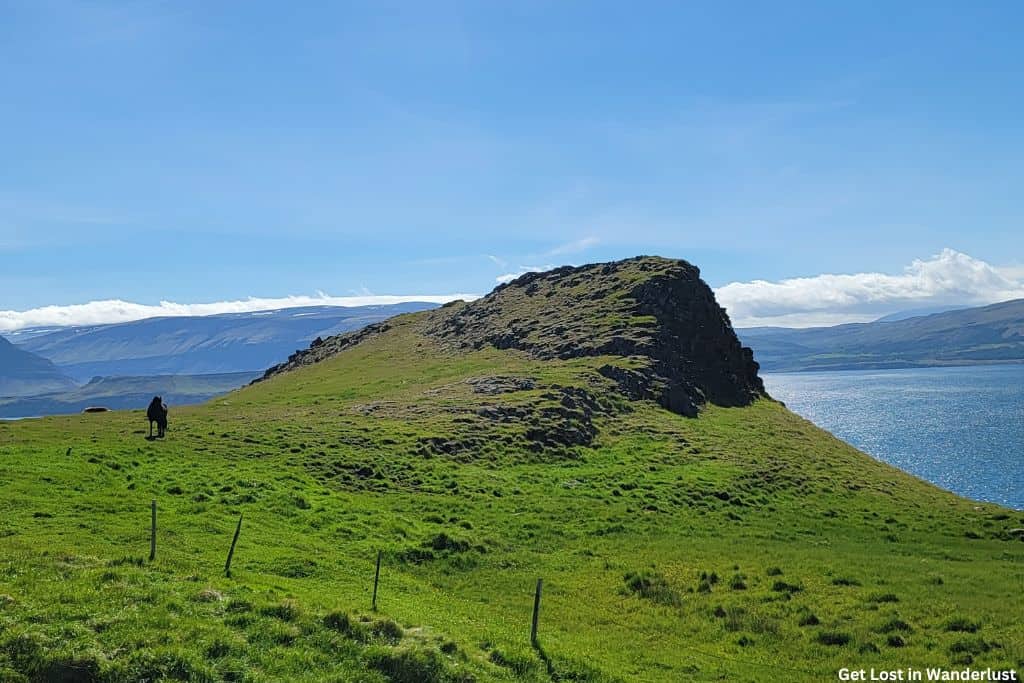
Renting a car will give you so much freedom to explore. You can drive from Reykjavik to South Iceland or even to the Glacier Lagoon! If your interested in driving, check out my guides for what to see on the drive to Vik (South Iceland) and the drive to Glacier Lagoon.
Flexibility
Flexibility is another pro of having a car rental. Weather is bad on a certain day? No problem, just save the hike you were planning for a different day. Having a car allows for ultimate flexibility.
Cost effective
Believe it or not we found a car to be very cost effective. We spent much more money in Reykjavik than compared to when we were driving around the Ring Road, and so in our personal experience having a car helped us save money as we weren’t paying for guided tours.
A big reason for that is activities and tours cost money, and when you have a car you pay for the rental and gas, but most of the “sites” are in nature and are 100% free.
Additionally, it was much easier to overspend on food in Reykjavik compared to when we drove around the Ring Road and bought snacks and food from smaller places or gas stations.
Comfort
It can be much more comfortable to have a car, as you can safely store your luggage in your car and move around constantly. Renting a car allows you to move around without having to haul luggage on transportation, which is quite nice.
Ability to Stay Connected Via Rental Car Hot Spot
Iceland has many very remote areas, and it is possible to lose cell-service. One pro we found in a car rental is that with the car rental, you can also rent a Wifi-HotSpot that plugs into the car and allows you to stay connected via wifi.
While Iceland is a perfect place to disconnect from social media, you’ll still benefit from having Wifi for Google Maps and Wifi-calling if needed.
Good Road Conditions – Easy Driving
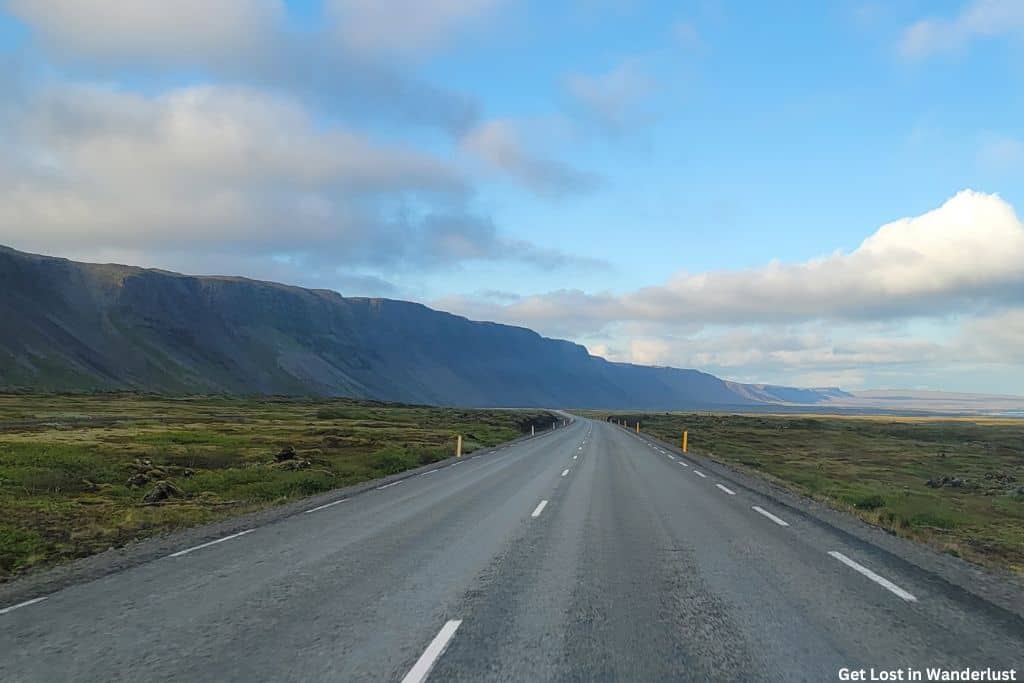
Iceland has a main road that goes around the country called Route 1 or the Ring Road. The Ring Road is paved and in good condition, and in our personal experience driving was very easy here compared to other countries we have driven in.
This is due to the good road conditions, and the fact that there is not much traffic or other drivers on the road making it quite calm and peaceful (also stunningly beautiful) driving.
However, I do want to mention that weather plays a huge factor in this. In good weather driving the Ring Road is easy, but in bad weather (wind, winter storms) this isn’t the case.
You should always check road.is or safetravel.is before heading out on the road each day.
Should I Rent a Car in Iceland? The Cons of Renting a Car
Weather
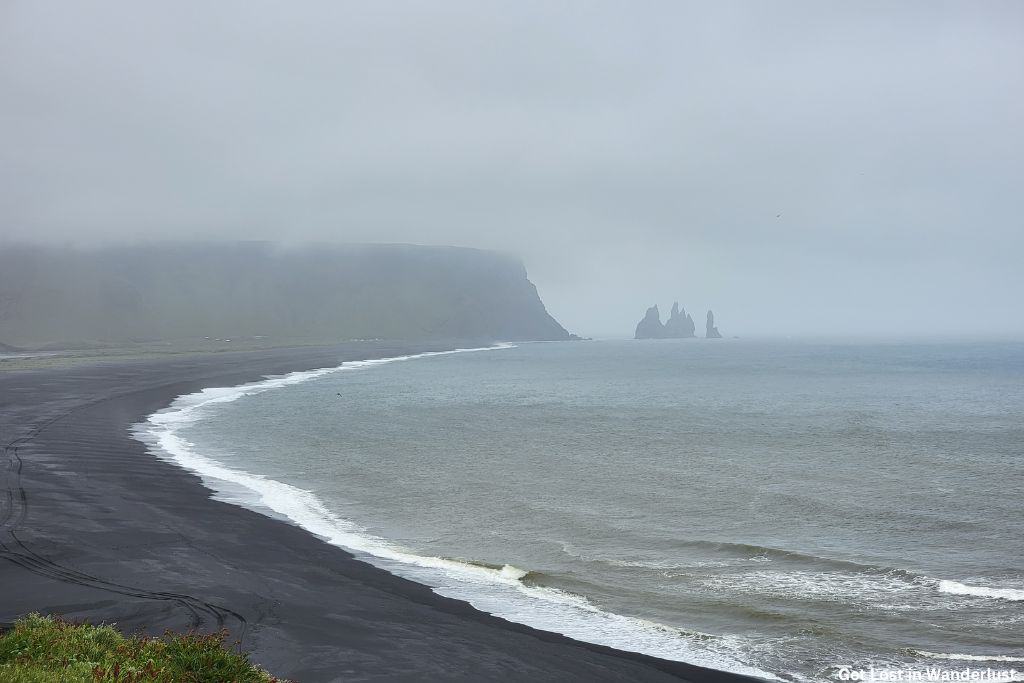
In Iceland, one of the biggest cons of renting a car is the ever-changing weather. Even in the summer, Iceland can have very strong winds making driving difficult.
Additionally, these winds can blow up dust/sand (especially in the south) and cause low visibility.
Safetravel.is will post wind watches and wind warnings if there is strong winds likely, and in the case of a red or orange warning, you will just want to avoid driving in that area.
Winter weather is especially hazardous in Iceland. Even an experienced winter weather drive should be extremely cautious of winter weather in Iceland.
Many areas are remote, with little other traffic, no kind of street lights, and places to stop for help are far and few between.
In winter, a 4×4 SUV is needed, and it’s best to stay closer to Reykjavik and take guided tours to farther locations.
Liability
Of course any time you drive a car there is certain liability if there is an accident or damage to the car. This is always a con of renting a car.
Tip: do a walk around video of your car when you pick it up and take pictures of any damage/scratches on the car.
In order to reduce liability, get full coverage car rental insurance for your rental car and to read all the terms and conditions of the rental. It’s also very important to read reviews of a car rental company and ensure they offer a good customer experience and safe, reliable cars.
Tip: In case of any car accident or emergency when driving in Iceland, it’s important to know that the number to call is 112.
Gas Prices
Gas prices have been high recently. At the time of writing this post in 2023, Gas prices are averaging around $2.75 per liter. High gas prices is of course a big con to renting a car as it drives the cost up.
Less Chances to Meet Fellow Travelers
One benefit of going on group tours, especially as a solo traveler, is that it gives you an opportunity to meet and connect with other people. It is definitely still possible to meet other travelers when renting a car, but you’ll likely have less interactions with others than compared to being on an all day tour with the same people.
Should I Rent a Car in Iceland? 10 Things to Consider
1. Time of Year
Time of year is one of the biggest considerations for the question “should I rent a car in Iceland?” While weather can always be an issue in Iceland, there is a huge difference between driving in winter weather vs summertime.

Late May- Early September
If you plan on going between late spring, summer, or early fall then renting a car can be an awesome option. Especially in summer when daylight hours are long, renting a car gives you so much freedom and flexibility to explore Iceland.
While you still need to check weather conditions each day (especially in case of wind warnings), overall this is a great time of year to get on the road and explore.
Late September-Early May
Fall and spring can definitely see winter weather, and so if you are traveling at that time you’ll definitely need to keep watch for weather advisories.
Winter is not a great time to drive in Iceland. There is limited daylight hours, frequent icy roads and winter storms. Driving in winter in Iceland is not like winter driving in the US.
Outside of Reykjavik, the roads will not be paved quickly and will sometimes close completely. Being in a more rural area, there isn’t other cars or places to ask for help if needed so it’s essential to not drive in bad weather. Additionally, Iceland’s winds can easily cause zero visibility.
In winter, if you decide to rent a car, you will need a 4×4 SUV and want to stay closer to Reykjavik. Take the car to the Blue Lagoon or Golden Circle on days where the weather is pleasant, and take guided tours to places further out.
2. Weather in Iceland
Weather in Iceland is constantly changing and if you plan to drive it is important to check the weather each day on safetravel.is before heading out on the road.
Wind
Wind is an important consideration, especially with a larger vehicle like a campervan. Winds in Iceland can be strong, making driving hazardous.
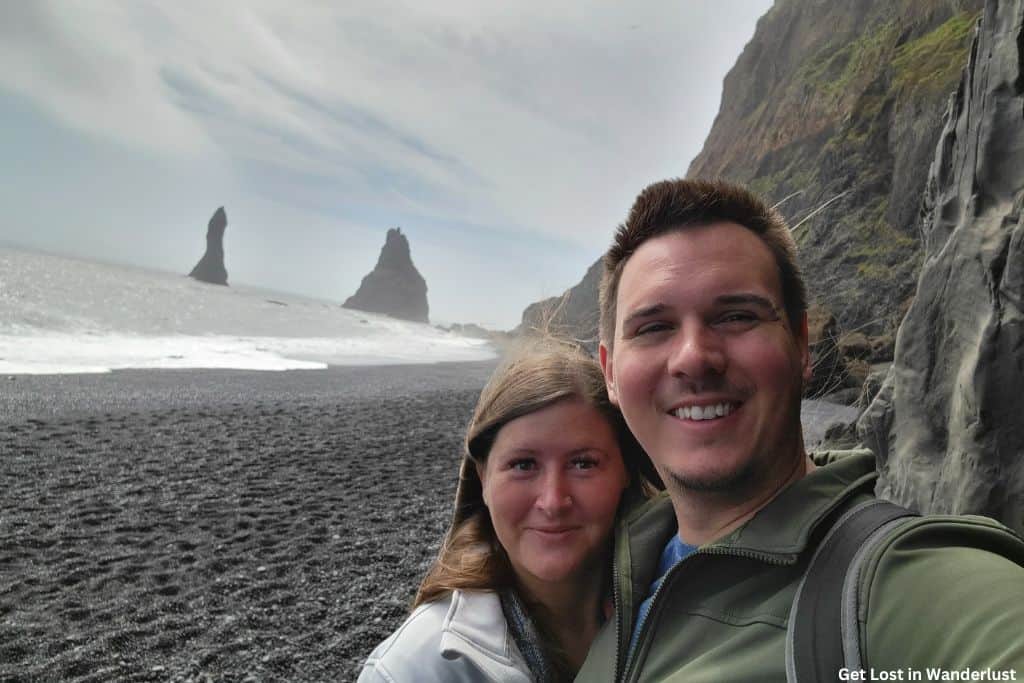
This is especially the case in parts of south Iceland, where strong winds can pick up volcanic ash and cause sandstorm effects of low visibility. In this case, keep driving straight at a slow speed and honk your horn while visibility is lowered in case another car is ahead or behind you.
In the event of an Orange or Red wind warning on Safetravel.is, you can readjust your driving plans, either leaving earlier or later or possibly even the next day.
The nice thing about having a car is it is easy to be super flexible (and in the summer its daylight almost all the time which is helpful too!).
Tip: In strong wind, make sure to park your car facing the wind.
When getting out of the car, hold the door and shut it quickly when its windy. There have been some cases where car doors have been ripped off the car due to strong winds, but this is typically when you park against the wind and leave your door open unattended.
3. Cost of a Rental Car
Another consideration is the cost. Iceland is not a very cheap place to visit, and so car rentals can be expensive. Certain things, like renting manual instead of automatic or a car instead of a 4×4 SUV will help keep costs down.
However, in our personal experience, renting a car was actually cost effective. We spent a little over $1,000 USD to rent a car for 2 full weeks but went all over Iceland, and stayed at budget friendly hotels and guesthouses.
Guided day trips can easily cost between $80-$150 per person, and so for 2 people, to take guided tours to all the places we went it would have added up quickly. Additionally, hotels in Reykjavik were more expensive, as was the cost of food.
This differs for everyone, but it is definitely possible for a car rental to help you save on your trip to Iceland if planned out well. Especially if you are traveling as a family or group, a car rental might be much more cost effective compared to guided tours.
Keep in mind, you’ll want to consider both the cost of the rental car and the fact that you’ll need to pay for gas when deciding if a rental car is right for you.
4. Gas and Gas Stations
Gas is of course an additional cost to renting a car in Iceland. However, there are a few other things to know about gas in Iceland.
Keep a Full Tank of Gas
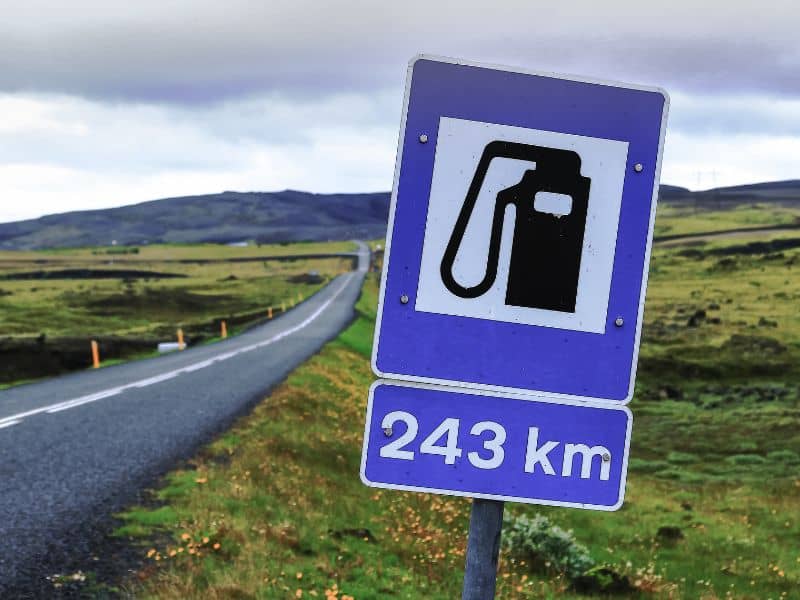
It’s important to always keep a full tank of gas. This is especially important for the eastern and northern parts of Iceland. When you are driving more rural areas of Iceland, it can be miles before the next gas station, and so when you see one, top off your tank.
Filling up at Gas Stations
Open Hours – Gas stations are typically open 24/7, but may only have an employee working during the day hours (like 10am-6pm).
Pin Number– Some gas stations will require you to have a Pin number. Many US debit cards have a Pin, but credit cards may not. If you need to use a credit card you may need to go inside and pay. You can also call your credit card company before your trip to ask about a Pin number.
Full-Option and Account Hold – When filling up, if you choose the fill to full option it may place a temporary hold on your account (usually around $100) that will go away in a few business days. It isn’t a huge deal, but its good to know about, and can be avoided by paying a certain amount (ex: $20 instead of Full), by using a prepaid gas card, or by paying inside the gas station.
Pre-paid Gas Cards – If you aren’t sure about the Pin number or prefer not to use a credit/debit card, you can purchase a pre-paid gas card at gas stations. It is similar to having a gift card, but for gas.

5. Rules of the Road – What to Expect When Driving in Iceland
When considering “should I drive in Iceland?” it’s important to also know the rules of the road and what to expect. The following are important road rules to know for driving in Iceland:
Speed Limit
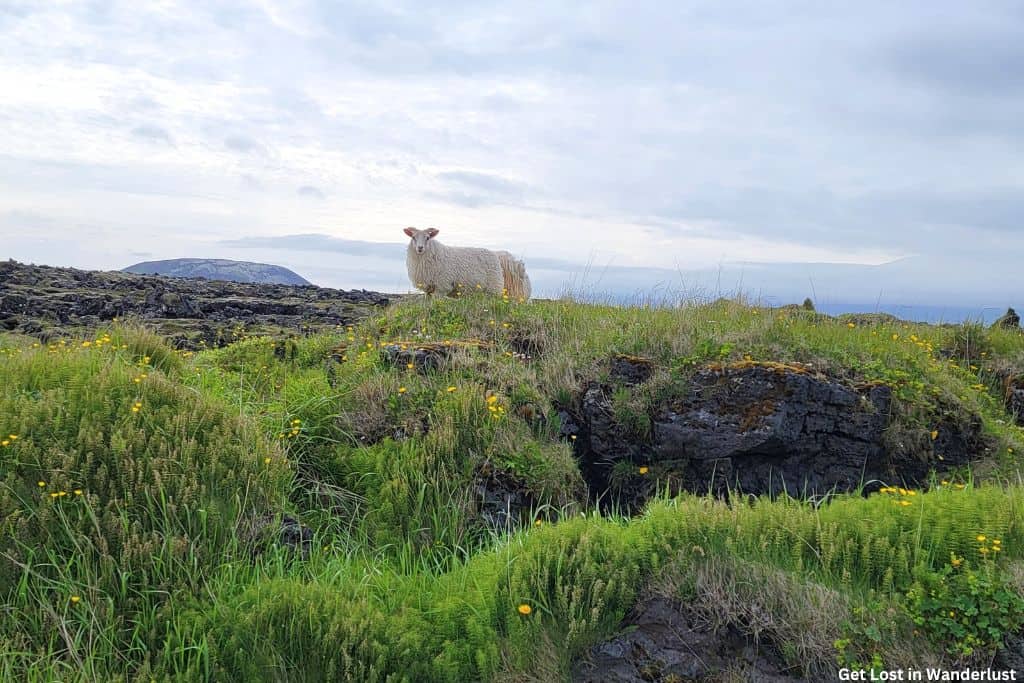
Iceland does have speed limits, and it’s important to follow them. Speed limits are in place to keep drivers safe, and also to help keep animals in rural areas (such as all the sheep) safe!
Speed limits in Iceland vary, but typically on the Ring Road the maximum speed limit is 90km/h which is about 56mph. In populated areas, this typically goes down to 50km/h, which is about 31mph.
Keep in mind, Iceland has several speed cameras throughout the country that will take a picture of your license plate and send the rental car company an expensive speeding ticket. Be respectful and don’t speed, instead just enjoy the drive and the incredible scenery.
Off-Roading is Illegal
Off-Roading (driving your car completely off the road over grass or moss, etc.) is illegal and very disrespectful in Iceland. This type of driving destroys the fragile nature of Iceland, especially the unique moss that grows here.
One Lane Bridges
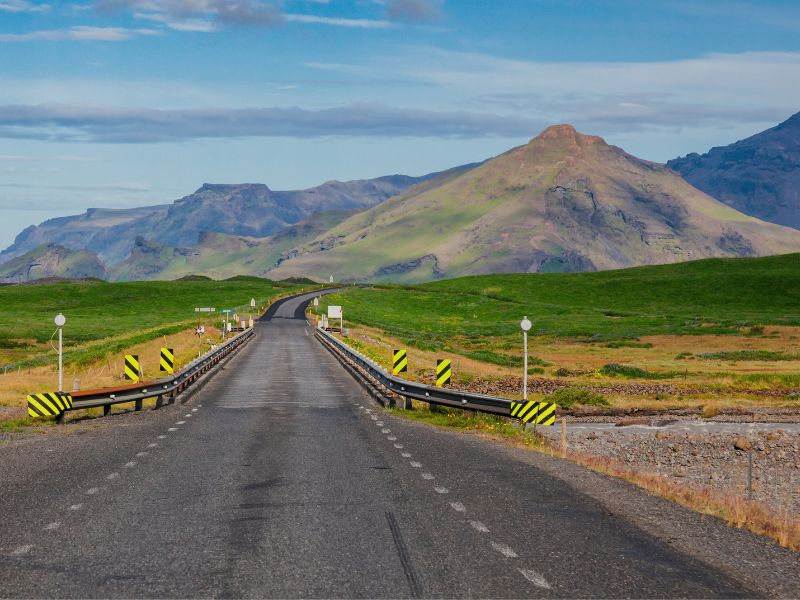
Iceland roads aren’t full of traffic, and so there are several one lane bridges. These are actually much easier to manage than you may anticipate.
When approaching a one lane bridge, slow down and look for other cars, if none are coming you can proceed. If there is another car, than whoever is at the bridge first would have the right away, and the other car will yield until the bridge is open.
F-Roads
F-Roads, are gravel roads typically found in Iceland’s interior. They are noticeably marked with an F at the start. These roads are closed for a good portion of the year, and are difficult to drive.
F-Roads can have river crossings, which should never be attempted by someone without proper experience and a proper car (like a super jeep that is specially equipped to cross rivers). Crossing rivers would also break your rental agreement and void insurance.
It is illegal to drive on an F-Road unless you have a 4×4 SUV. Even with a 4×4 SUV, most rental car agreements don’t cover you if you go on these roads or do any river crossings.
These roads are easy to avoid, and there isn’t really a reason to drive on them. You can do the whole Ring Road and avoid F-Roads. Keep in mind, not all gravel roads are F-Roads. There are many gravel roads in Iceland that are perfectly fine to drive.
6. Should I Rent a Car in Iceland? Only If You Can Book in Advance!
When renting a car in Iceland, you’ll want to book as far in advance as possible. Not only will this help you get the best deal, but it will also help you get the best car. Many car rentals in Iceland (especially automatic cars) book up quickly due to high demand.

7. Consider What Type of Car to Rent – Car/4×4 SUV/Camper Van
There are a few different types of cars to rent in Iceland and so it’s important to know your options.
Automatic vs. Manual
It’s very common in Iceland to have a manual car. If you need an automatic car, make sure to rent that specifically and not assume you’ll be given an automatic. If it doesn’t specify automatic, it’ll be a manual car.
Should I Rent a 4×4 SUV in Iceland?
Renting a 4×4 is a great option, but it is typically a bit more expensive. Renting a 4×4 is a great idea if you plan to drive the entire Ring Road (even in the summer). Some roads can be steep, especially in east Iceland, and a 4×4 gives you more power when driving.
If you only plan to drive in Reykjavik, the Golden Circle, or South Iceland in the summertime, than you could definitely rent a regular car.
Camper Van
A camper van is a great way to travel Iceland and have your accommodation. Camper vans allow for a lot of flexibility because you don’t need to worry about hotel bookings. However, you must camp at actual camp grounds as it is illegal to just camp wherever in Iceland. Luckily, campgrounds are quite popular and can be found throughout the countryside.
8. Car Rental Insurance
Car Rental Insurance is important for any car rental, but is a must in Iceland! Especially if you plan to drive the entire Ring Road, having car insurance will help lower your liability from any damage. Here are some different options with insurance:
Collision Damage Waiver (CDW) – This is a basic level of coverage that will protect you in case of damage to the car. Typically, you may be required to pay up to a certain deductible amount if damage occurs, but would be covered after that.
Full Coverage Insurance – This is going to be the highest level of coverage. It will be the more expensive option, but will also give you peace of mind. Typically full coverage will have a low or sometimes even zero dollar deductible amount for any damage.
Make sure to read the terms and conditions very closely, as insurance options don’t typically cover everything. For example, it commonly won’t cover damage to windows or tires, and sometimes a small upcharge is necessary to cover these.
Credit Card Coverage – Another option is to check if the credit card you are using for the booking offers car rental insurance. If it does, you’ll want to read over what the coverage includes and it is good to have a copy of this to show the rental car company in case they ask for proof of insurance. The same thing goes for certain travel insurances that may include rental car coverage.
Keep in mind, if damage occurs you are responsible for paying up front to the rental company and then would put in an insurance claim to the credit card company. Personally, I opted for rental insurance with the rental company while in Iceland.
9. What Type of Drivers License is Needed?
To drive in Iceland you need a license that meets the following requirements. The good news is that if you are located in the US, our US drivers licenses meet these requirements and so an international license isn’t necessary.
- Full Name
- License Number
- Photograph
- Valid Date
- Must be in Latin Letters
10. Alternatives to Renting a Car in Iceland
Should I rent a car in Iceland? Maybe for you the answer is no, and that is perfectly ok! There are several alternatives should you decide not to drive in Iceland.
Driving in Iceland isn’t for everyone, and it is totally possible to have an amazing trip without renting a car. Here are some alternatives to not renting a car:
Transportation from the Airport to Reykjavik
If you decide not to rent a car you’ll either want to take a taxi or the FlyBus to Reykjavik. There is a taxi rank at the Keflavik Airport. To take the FlyBus, I recommend buying a ticket on the bus when you get there.

Day Trips from Reykjavik
If you decide not to rent a car, it will be best to base yourself in Reykjavik and take day trips. Reykjavik is a small and very walkable city so you won’t need transport within the citys.
Day tours are GREAT options, especially for solo travelers or those wanting to meet other people. Additionally, its an awesome option for winter time so that you don’t have to drive on the roads and instead leave the driving to locals who are familiar with the roads and can safely get you around.
There are several great day trip options. I highly recommend this tour to the Golden Circle, which will take you to some of Iceland’s most famous attractions, including Thingvellir National Park, Gullfoss Waterfall, Geysir, and Secret Lagoon.
Additionally South Iceland is a must visit place, and this tour will take you to two of Iceland’s most impressive waterfalls as well as the Black Sand Beach.
Lastly, don’t miss out on visiting the Blue Lagoon when in Iceland. This tour will provide transport and admission to the Blue Lagoon.
There are also multi-day tour options such as this one, which includes transport and accommodation and so all you have to do is relax and see the sights!
So, Should I Rent a Car in Iceland?
The question “should I rent a car in Iceland?” is a big one. Renting a car in Iceland is a big decision, and there are so many factors that go into it.
If you enjoy having freedom and flexibility, exploring off the beaten path, are going in the summer, and are comfortable with driving than renting a car might be a great option for you. If you don’t like to drive, prefer to take group tours to relax and meet others, or are going in the winter than perhaps day trips or a multi-day tour is your best option.
Either way, you are sure to have an amazing trip as Iceland is an incredible country that has so much to offer!


